


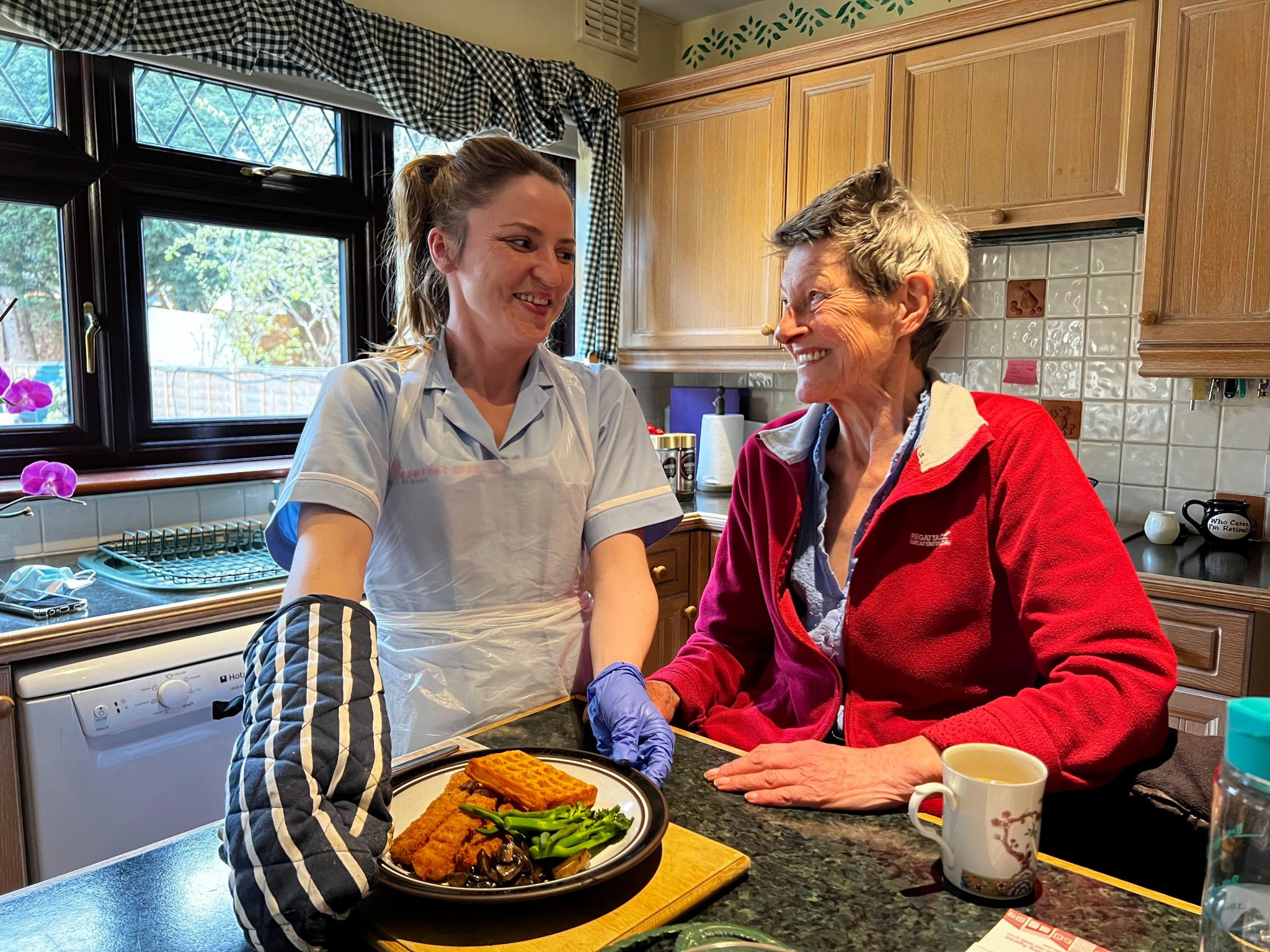
Practical advice for families supporting an older loved one with diabetes.
Why healthy eating matters in diabetes
For anyone living with diabetes, food plays a central role in managing blood glucose (sugar) levels. But for older adults – who often face additional health concerns such as reduced appetite, mobility issues or multiple medications – maintaining a balanced diet becomes even more important.
For families supporting an elderly loved one, understanding how diet affects diabetes is crucial to help them stay well at home.
Common challenges for older adults with diabetes
The ageing process can make it difficult to maintain good nutrition. When combined with a health condition like diabetes, these challenges can have an impact on an older individual’s health.
Reduced appetite or interest in food
This may be caused by medication side-effects, reduced sense of taste or smell, low mood or cognitive changes such as dementia. Larger portion sizes or full plates can also be off-putting for older adults.
Difficulty preparing meals
Arthritis, poor mobility, fatigue or vision problems can make meal preparation more difficult or even unsafe for your loved one.
Irregular eating patterns
Skipping meals or eating too little can cause blood sugar levels to drop, while grazing on convenience foods may cause spikes. Over the long term, these habits can worsen the symptoms of your loved one’s diabetes and make them feel unwell.
Dental, swallowing or digestion problems
Oral discomfort or chewing and swallowing difficulties can limit the types of foods your loved one is able to consume. This may impact their ability to eat enough or get the correct nutrition.
Managing other health conditions
It’s not uncommon to have diabetes alongside other health conditions such as high blood pressure, high cholesterol or reduced kidney function. Individually, any one of these can cause complications with your loved one’s eating and nutrition; managing multiple health conditions can make it more complex to maintain a healthy diet.
Healthy eating guidance for older adults living with diabetes
The dietary needs of older adults can sometimes differ from the typical guidance for managing diabetes. This is because older adults are sometimes more at risk of becoming underweight or experiencing poorer nutrition. The risk of this is greater if they are dealing with other health issues, reduced appetite, mobility challenges or memory problems.
The typical dietary guidance around reducing fat, salt or sugar to manage diabetes isn’t always appropriate for older adults. Undernutrition and irregular meals may put your loved one at risk of experiencing a hypo (hypoglycaemia).
Here are some tips for how to help your loved one manage a healthy eating routine.
Prioritise appetite and enjoyment
As people age, their appetite can change. Medications, illness, reduced taste or low energy can also affect appetite. Ensuring meals are enjoyable and appealing can help navigate a reduced appetite and ensure your loved one stays well-nourished.
Try smaller portions, more often
If your loved one’s appetite has changed and the idea of finishing a full plate feels too much for them, try giving them smaller portions more frequently.
The size of what you’re serving their meals on can be important, too. Rather than a smaller portion on a smaller plate, start with a reduced portion on what they’d regularly eat from and see if this feels more manageable for them.
Focus on balance, not strict restriction
Reducing fats, carbohydrates or sugars too much can unintentionally lead to weight loss, a lack of energy or low blood sugar. A balanced diet that supports day-to-day wellbeing is key for older adults.
Speak to a health professional for guidance on how to support your loved one’s specific dietary needs.
Prevent low blood sugar episodes
If your loved one is taking insulin or certain diabetes medications, they can be more vulnerable to hypoglycaemia (low blood sugar). Irregular eating, skipped meals or very long gaps between meals can trigger hypos. Helping your loved one maintain consistent meal and snack times is often more useful than following a rigid diet plan.
Adapt meals to changing needs
Your loved one’s appetite, taste, energy levels and oral health can all change as they age. This may have a big impact on what they like to eat, and whether they’re able to consume certain foods.
Adapting meals and snacks to their taste, as well as their needs, can help your loved one eat a well-balanced diet.
Prepare or encourage foods that are:
- Easy to chew and swallow (if your loved one struggles with this)
- Easy to digest
- Simple to cook or reheat
- Suitable for low appetite (e.g. smaller, nutrient-dense portions).
This can make eating feel more manageable, especially if your loved one is living at home on their own.
Support hydration
Becoming dehydrated can affect blood sugar levels and overall health. Older adults often drink less than they need, so it’s important to help them keep properly hydrated. Gentle reminders or keeping drinks close at hand throughout the day can make a real difference.
Small changes can support healthy blood sugar levels
Rather than big dietary overhauls, here are some straightforward steps you can try to help maintain your loved one’s blood sugar:
- Adding vegetables or fibre-rich foods where possible
- Encouraging three regular meals (or smaller meals and snacks)
- Reducing sugary drinks while still allowing treats in moderation
- Ensuring protein is included at meals to support strength.
These gradual habits can help stabilise blood sugar without feeling overwhelming.
Special considerations for loved ones with dementia
Dementia can affect memory, appetite and ability to recognise hunger or thirst. If your loved one suffers with dementia as well as diabetes, it can be particularly challenging to help them stay well-nourished and manage their blood sugar levels. Here are some helpful strategies to consider:
- Offering finger foods if cutlery becomes difficult
- Using contrasting plate colours to help food stand out
- Serving one food at a time to avoid overwhelm
- Gentle reminders and prompting without pressure.
When to seek professional support
Supporting your loved one to manage their diabetes condition can be complex. It’s important to seek professional medical advice if your loved one experiences any of the following:
- Unexpected weight loss
- Frequent confusion or an unusual lack of energy
- Very high or low blood sugar readings
- Struggles with eating enough or drinking regularly
- Recurring infections.
How Comfort Care At Home can support your loved one
Supporting an older loved one with diabetes can be challenging, especially if you’re juggling other responsibilities. You may worry about whether meals are being eaten regularly, medication is being taken correctly or changes in blood sugar are being noticed quickly enough. Even with the best intentions, it isn’t always possible to be there as often as you’d like.
Our professional carers work alongside families to provide consistent, reliable support that helps older adults manage their diabetes safely at home. This can include support with meal preparation, gentle reminders around medication, encouraging hydration and monitoring for signs that blood sugar levels may be too high or too low.
We understand that diabetes care isn’t just about routines – it’s about reassurance. Our carers take the time to get to know your loved one, their preferences and their care plan. We work closely with families and healthcare professionals, keeping communication open so everyone feels informed and supported.
Whether you need regular visits or occasional extra help, we’re here to fill the gaps and help your loved one live safely, comfortably and confidently at home.
Contact us today to find out more about our home care services and the diabetes support we can offer your loved one as part of a tailored care plan.
