


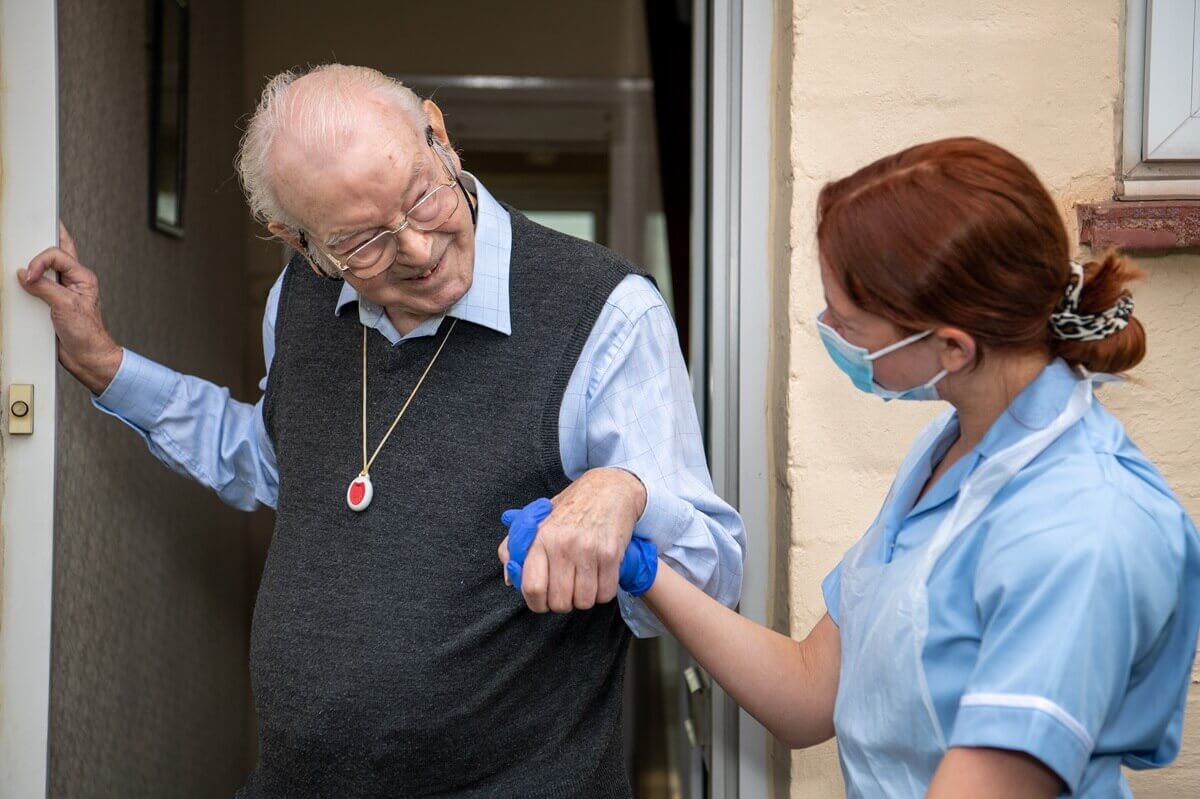
Falls are one of the most common accidents among older adults, often leading to serious injuries and a loss of confidence. For many families, the fear of a loved one falling can be overwhelming, especially when it threatens their independence and wellbeing. That’s why it’s important to understand the risks and take proactive steps to create a safer environment.
Preventing falls isn’t just about avoiding physical harm. It’s about preserving dignity, maintaining independence and ensuring your loved one can continue to live life to the fullest in the comfort of their own home. With the right knowledge and adjustments, you can significantly reduce the likelihood of falls and help your loved one feel secure and supported.
Why Are Older Adults More Prone to Falls?
As we age, our bodies undergo natural changes that can increase the risk of falls. Understanding these factors is the first step in elderly fall prevention.
Common Causes of Falls in Older Adults
Reduced Mobility and Strength
Muscle weakness, particularly in the legs, can make it harder to maintain balance or recover from a stumble. Arthritis, osteoporosis and other age-related conditions can also limit movement, making everyday tasks like climbing stairs or reaching for objects more challenging.
Balance and Coordination Issues
The inner ear, vision and sensory nerves all play a role in maintaining balance. As these systems decline with age, older adults may struggle to steady themselves, especially on uneven surfaces or when turning quickly.
Medication Side Effects
Some medications can cause dizziness, drowsiness or low blood pressure, all of which increase the risk of falling. It’s always important to review your loved one’s medications with their GP or pharmacist to understand any potential side effects.
Vision Problems
Poor vision can make it difficult to spot hazards like loose rugs, uneven floors or obstacles in the way. Regular eye check-ups and proper lighting can help mitigate this risk.
Chronic Health Conditions
Conditions such as Parkinson’s, diabetes or heart disease can affect balance, strength and coordination. Managing these conditions with the help of healthcare professionals is key to reducing fall risks.
Home Hazards
Many falls happen at home, where we might assume the environment is safe. However, cluttered walkways, slippery floors, poor lighting and loose carpets, loose wires on the floor and pets can all contribute to accidents.
The Importance of Fall Prevention in Older Adults
Falls can have serious consequences, both physically and emotionally. A fall can lead to fractures, head injuries or even hospitalisation, which may result in a longer recovery period and a loss of independence. Beyond the physical impact, the fear of falling again can cause older adults to limit their activities, leading to social isolation and a decline in overall health.
That’s why elderly fall prevention is so important. By taking steps to reduce risks, you can help your loved one maintain their confidence, stay active and continue enjoying their daily routines.
Practical Tips for Preventing Falls at Home
Creating a safe home environment is one of the most effective ways to prevent falls. Here are some practical adjustments you can make:
Improve Lighting
Poor lighting is a major contributor to falls, especially at night. Ensure all areas of the home are well-lit, including:
- Hallways and staircases
- Bedrooms and bathrooms
- Entrances and outdoor paths
Consider using motion-sensor lights in key areas, so your loved one never has to fumble for a switch in the dark. Nightlights in bedrooms and bathrooms can also provide added security.
Remove Trip Hazards
A clutter-free home is a safer home. Take a walk through each room and look for potential hazards, such as:
- Loose rugs or mats (secure them with non-slip backing or remove them)
- Electrical cords or cables trailing across the floor
- Furniture or objects blocking walkways
- Spills or wet floors (clean them up immediately)
Keep frequently used items within easy reach to avoid the need for stretching or climbing.
Use Supportive Footwear
Wearing the right footwear can make a big difference in preventing falls. Encourage your loved one to wear:
- Shoes with non-slip soles
- Well-fitting footwear that supports the ankle
- Avoid slippers or socks without grips, as these can increase the risk of slipping
If your loved one struggles with putting on shoes, consider slip-on options or shoes with Velcro fastenings for ease.
Install Safety Equipment
Sometimes, a few simple installations can greatly enhance safety. Consider adding:
- Grab bars in the bathroom, particularly near the toilet and shower
- Handrails on both sides of staircases
- A raised toilet seat or shower chair for added stability
- Non-slip mats in the bathroom and kitchen
For those with more significant mobility challenges, a stairlift or walk-in shower may be worth exploring.
Maintaining Health and Wellbeing
Preventing falls isn’t just about adjusting the home environment. Encouraging your loved one to maintain their overall health can also reduce their risk of falling.
Stay Physically Active
Regular physical activity helps improve strength, balance and coordination. Activities such as walking, tai chi or gentle yoga can be particularly beneficial. Many local communities offer exercise classes specifically designed for older adults, which can also provide a social outlet.
If your loved one is unsure where to start, their GP or a physiotherapist can recommend suitable exercises.
Eat a Balanced Diet
A nutritious diet rich in calcium and vitamin D supports bone health, while protein helps maintain muscle strength. Encourage your loved one to include:
- Dairy products, leafy greens and fortified foods for calcium
- Oily fish, eggs and sunlight exposure for vitamin D
- Lean meats, beans and lentils for protein
Staying hydrated is equally important, as dehydration can cause dizziness and weakness.
Regular Health Check-Ups
Regular visits to the GP can help manage chronic conditions and review medications that may increase fall risk. It’s also a good opportunity to discuss any concerns about balance, mobility or vision.
Recognising When Additional Support Is Needed
While these tips can significantly reduce the risk of falls, there may come a time when your loved one needs extra support. If you notice any of the following signs, it may be worth considering professional help:
- Frequent near-misses or actual falls
- Difficulty managing daily tasks, such as dressing, cooking or cleaning
- Signs of confusion or memory loss
- A decline in mobility or balance
Professional home care can provide the assistance your loved one needs to stay safe and independent at home. Care professionals can help with personal care, medication reminders, mobility support, light household tasks and exercises prescribed by a physiotherapist all while offering companionship and peace of mind.
How Comfort Care At Home Can Help
At Comfort Care At Home, we understand the importance of maintaining independence and dignity while ensuring safety. Our team of trained care professionals works closely with families to create personalised care plans that address individual needs, including fall prevention.
Whether your loved one needs a little extra help around the house or more comprehensive support, we’re here to provide compassionate, reliable care. Our services include:
- Assistance with personal care and mobility
- Medication reminders and management
- Light household tasks and meal preparation
- Companionship and emotional support
With our help, your loved one can continue to live life on their terms, safely and confidently.
FAQs About Fall Prevention in Older Adults
Why do elderly people fall?
Older adults are more prone to falls due to a combination of factors, including reduced mobility, balance issues, medication side effects, vision problems and hazards in the home. Age-related changes in strength and coordination also play a significant role.
How can I make my home safer to prevent falls?
Start by improving lighting, removing trip hazards and installing safety equipment like grab bars and handrails. Encourage your loved one to wear supportive footwear and keep frequently used items within easy reach.
What exercises can help prevent falls in the elderly?
Activities that improve strength, balance and coordination are ideal. Walking, tai chi and gentle yoga are excellent options. Always consult a GP or physiotherapist before starting a new exercise routine.
When should I consider professional home care for fall prevention?
If your loved one has experienced frequent falls, struggles with daily tasks or shows signs of declining mobility, professional home care can provide the support they need to stay safe and independent.
How does nutrition play a role in fall prevention?
A balanced diet rich in calcium, vitamin D and protein supports bone and muscle health, reducing the risk of falls. Staying hydrated is also important to prevent dizziness and weakness.
