


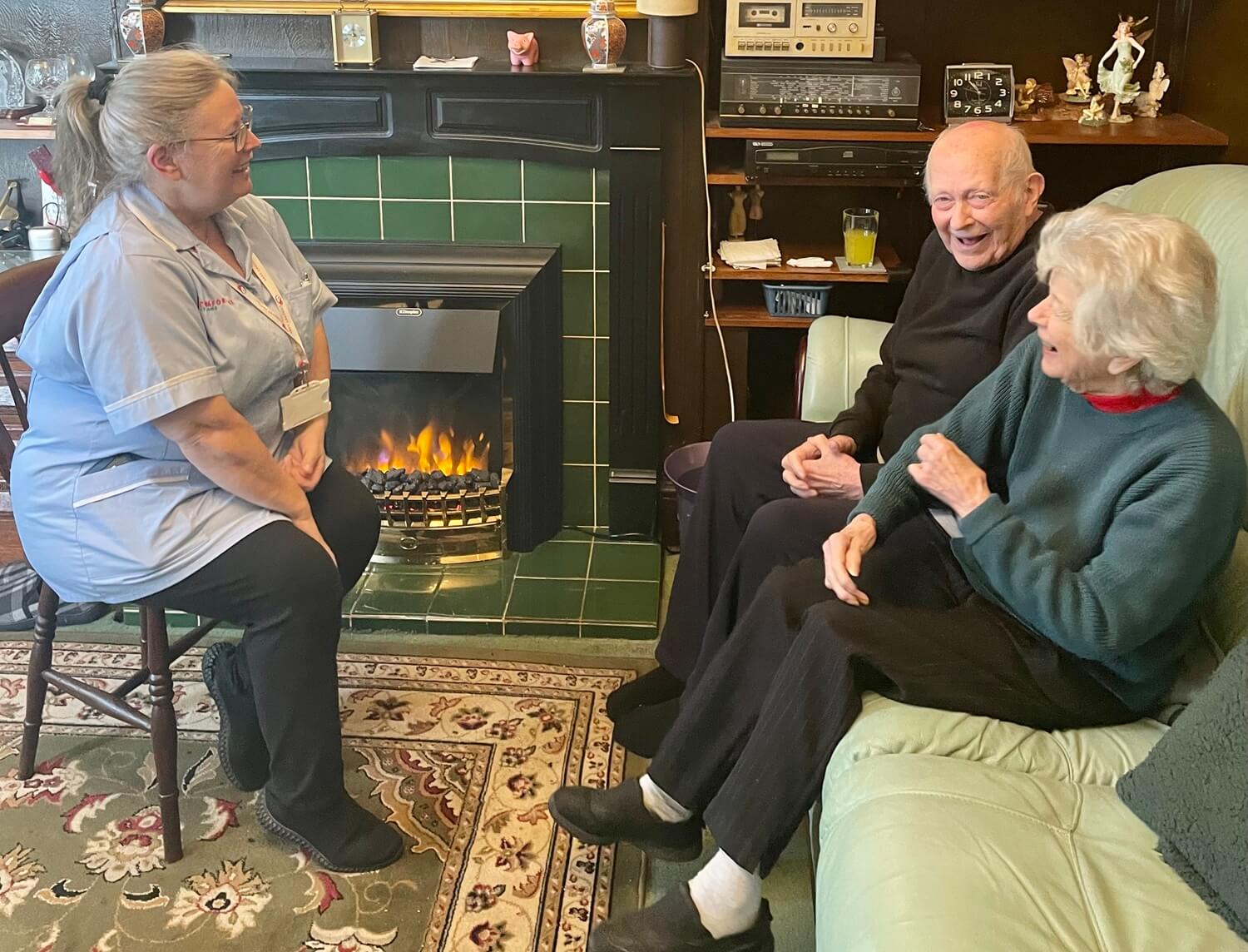
As we get older, staying socially connected plays a vital role in both physical and mental wellbeing. For many older adults, reduced mobility, retirement or the loss of friends and loved ones can make it harder to maintain regular social interaction. Without meaningful connection, loneliness can set in – increasing the risk of depression, cognitive decline and even physical health problems. This is why companionship is an essential part of staying healthy, independent and emotionally supported in later life.
In this article, we’ll explore why companionship is so important for older adults, the impact loneliness can have on health and wellbeing and how families can support loved ones to stay socially connected. We’ll also look at how professional companionship care can offer regular interaction, reassurance and meaningful connection for those living at home.
Why Is Companionship Important for Older Adults?
Combatting Loneliness and Isolation
Loneliness is a growing concern among older adults in the UK. According to Age UK, more than 1.4 million older people report feeling often or always lonely – a figure expected to rise to 2 million in 2026.
In addition to the emotional impact of loneliness, it’s linked to serious health risks, including depression, cognitive decline and even early mortality.
Companionship care provides regular, friendly interaction that uplifts mood, builds confidence and helps older adults feel connected and valued. Whether it’s sharing a cup of tea, playing a board game, or attending a local event, these small moments of connection can make a world of difference. This, in turn, helps to reduce the negative effects that loneliness and isolation can have on an older adult’s mental and physical wellbeing.
Supporting Mental Health and Cognitive Function
Engaging in conversations, light activities and social outings stimulates the brain, which can help slow cognitive decline and reduce the risk of conditions like dementia. Emotional support also plays a key role in preventing depression and anxiety, especially after major life changes such as bereavement or retirement.
At Comfort Care At Home, our companion carers are trained to provide not just practical support, but also the emotional connection that keeps minds active and spirits high.
Promoting Independence and Purpose
Many older adults who live independently benefit from regular companionship and support. Having consistent interactions and visits can increase their motivation to take care of themselves, stay active and maintain their daily routines.
A companion carer can encourage your loved one to pursue their interests, attend community events and enjoy a fulfilling routine that supports their overall wellbeing.
The Risks of Loneliness and Social Isolation
In addition to the impact that loneliness and isolation can have on an older adult’s mental health and emotional wellbeing, there are also risks to their physical and cognitive health.
Physical Health Consequences
Research shows that chronic loneliness can weaken the immune system and increase inflammation. It can also raise the risk of heart disease, diabetes and other chronic conditions.
Cognitive Decline and Dementia
Social interaction helps keep the mind sharp. Without it, older adults are at higher risk of cognitive decline and dementia. Regular companionship – whether from family, friends or a care professional – can help keep the brain engaged and reduce these risks.
How Families Can Help Older Loved Ones Stay Connected
In-person interactions with a loved one are a great way to offer them companionship. However, it’s not always possible for friends and family to do this as often as they’d like. Here are some other ways you can support your loved one to stay connected and combat social isolation.
Encourage Social Activities
Attending local clubs, classes or events can be a great source of companionship for older adults. It can also help them to feel connected with their local community.
Hobby groups (e.g., gardening, book clubs, art classes, etc.) can provide social benefits, mental stimulation and keep your loved one engaged with something they enjoy.
Participating in religious activities may also be an important part of an older adult’s values and provide them with opportunities for social interaction.
Foster Family Connections
Regular visits, phone calls, and video chats can provide much-needed social interaction. If family members live far away, consider setting up a schedule for virtual catch-ups.
Explore Companionship Care Services
For many families, professional companionship care is a lifeline. At Comfort Care At Home, our care professionals provide tailored support, from accompanying your loved one on outings to simply sharing a chat over tea. This not only reduces loneliness but also gives families peace of mind, knowing their loved one is safe and happy at home.
What is Companionship Care and How Does it Make a Difference
Companionship care is a form of non-medical home support that enhances quality of life through social interaction, emotional support, and assistance with daily activities. It focuses on establishing a trusting, meaningful relationship to reduce loneliness and promote mental wellbeing.
Why Choose Comfort Care At Home
We understand that every individual is unique. Our companion care services are tailored to your loved one’s preferences, interests and routines. Our experienced carers are chosen for their empathy, kindness and dedication to improving the lives of others.
- Experienced Care Professionals: Our team is trained to provide compassionate, high-quality care.
- Tailored Services: We create personalised care plans that fit seamlessly into your loved one’s daily life.
- Local Support: We serve families across Kingston upon Thames, Surbiton, and Surrey, ensuring your loved one receives care from someone who understands their community.
Contact us to arrange a free consultation and to discuss how we can support your loved one.
Real-Life Stories: The Impact of Companionship Care
Families we’ve supported share how companionship care has transformed their loved ones’ lives:
“After Mum lost Dad, she stopped leaving the house and wouldn’t eat properly. The companionship carer from Comfort Care At Home made all the difference. She now looks forward to her visits and has even started going to her book club again.”
— Daughter of a client in Kingston
“I live overseas, and knowing my uncle has someone friendly checking in on him a few times a week helps me sleep better at night. It’s a huge relief.”
— Family member in Surrey
FAQs About Companionship for the Elderly
What does a companion carer do?
A companion carer offers emotional and social support. They can help with light household tasks, accompany your loved one on outings, and provide friendly companionship.
How much does companionship care cost?
Costs vary depending on location and the level of care needed. At Comfort Care At Home, we offer flexible options to suit your budget and your loved one’s needs.
What are the signs an elderly loved one may be lonely?
Look for withdrawal from activities, low mood, neglect of personal care or frequent expressions of sadness or boredom.
How can I help a loved one feel less isolated at home?
Encourage social activities, regular visits and consider professional companionship care for consistent support.
