


Urinary tract infections (UTIs) are common at any age, but in older adults, the symptoms can be very different from what you might expect. Instead of the typical burning sensation or frequent urination, UTIs in the elderly often present as confusion, agitation, or even falls. This can make them easy to overlook or mistake for other conditions, such as dementia.
At Comfort Care At Home, we understand how important it is to recognise these subtle signs. That’s why it’s important to be aware of the less obvious signs of a UTI in older adults. If you’re caring for a loved one, knowing what to watch for can help you act quickly and get them the treatment they need. For more information on how our care professionals can help, read on.
Why UTIs Present Differently in Older Adults
As we age, our immune system and bladder function change, which can affect how UTIs manifest. Older adults are also more likely to have underlying health conditions or take medications that can mask or alter typical UTI symptoms.
In some cases, the only sign of a UTI in an elderly person may be a sudden change in behaviour, such as increased confusion, irritability, or withdrawal. This is because the infection can affect the brain, leading to symptoms that mimic dementia or delirium. If you’re worried about your loved one’s behaviour, it’s always okay to pause and consider whether a UTI could be the cause.
Symptoms to Watch For
UTI symptoms in older adults can vary, but some of the most common signs include:
- Confusion or delirium: A sudden onset of confusion, disorientation, or hallucinations can be a red flag for a UTI.
- Agitation or restlessness: Your loved one may seem unusually irritable, anxious, or fidgety.
- Falls or unsteadiness: UTIs can cause dizziness or weakness, increasing the risk of falls.
- Fatigue or lethargy: A UTI can leave your loved one feeling unusually tired or weak.
- Loss of appetite: They may have little interest in eating or drinking.
- Incontinence or urinary retention: Some older adults may experience new or worsening incontinence, while others may have difficulty passing urine.
Keep an eye on these symptoms, especially if they appear suddenly or seem out of character for your loved one. Early recognition and treatment are key to preventing complications.
Why UTIs Get Misdiagnosed as Dementia
Because UTIs in older adults can cause confusion, memory problems, or behavioural changes, they are often mistaken for dementia or Alzheimer’s disease. This is particularly true for individuals who already have a diagnosis of dementia, as the symptoms can overlap and be difficult to distinguish.
If your loved one experiences a sudden change in their cognitive function or behaviour, it’s important to consider a UTI as a possible cause. A simple urine test can confirm or rule out a UTI, and treatment with antibiotics can often resolve the symptoms quickly. If you’re unsure, take a moment to speak to their GP, who can provide guidance and arrange any necessary tests.
Prevention Tips
While not all UTIs can be prevented, there are steps you can take to reduce the risk for your loved one:
- Encourage hydration: Drinking plenty of fluids helps flush bacteria from the urinary tract. Aim for at least 6–8 glasses of water a day, unless their doctor has advised otherwise.
- Promote good hygiene: Ensure your loved one practices good personal hygiene, particularly after using the toilet. For women, wiping from front to back can help prevent bacteria from entering the urethra.
- Avoid holding urine: Encourage your loved one to use the toilet regularly and not to hold urine for long periods.
- Consider cranberry products: Some studies suggest that cranberry juice or supplements may help prevent UTIs, though the evidence is mixed. Speak to their GP before trying any new supplements.
- Review medications: Some medications can increase the risk of UTIs or worsen symptoms. If you’re concerned, speak to their GP about whether any adjustments are needed.
When to See a GP Urgently
UTIs in older adults can quickly become serious if left untreated, leading to kidney infections or sepsis. It’s important to seek medical attention promptly if you notice any of the following:
- Severe confusion or delirium
- High fever or chills
- Blood in the urine
- Severe pain in the abdomen or back
- Nausea or vomiting
- Difficulty passing urine or inability to urinate
If your loved one exhibits any of these symptoms, contact their GP or call NHS 111 for advice. In an emergency, dial 999 or go to the nearest A&E department.
How Carers Spot Early Signs
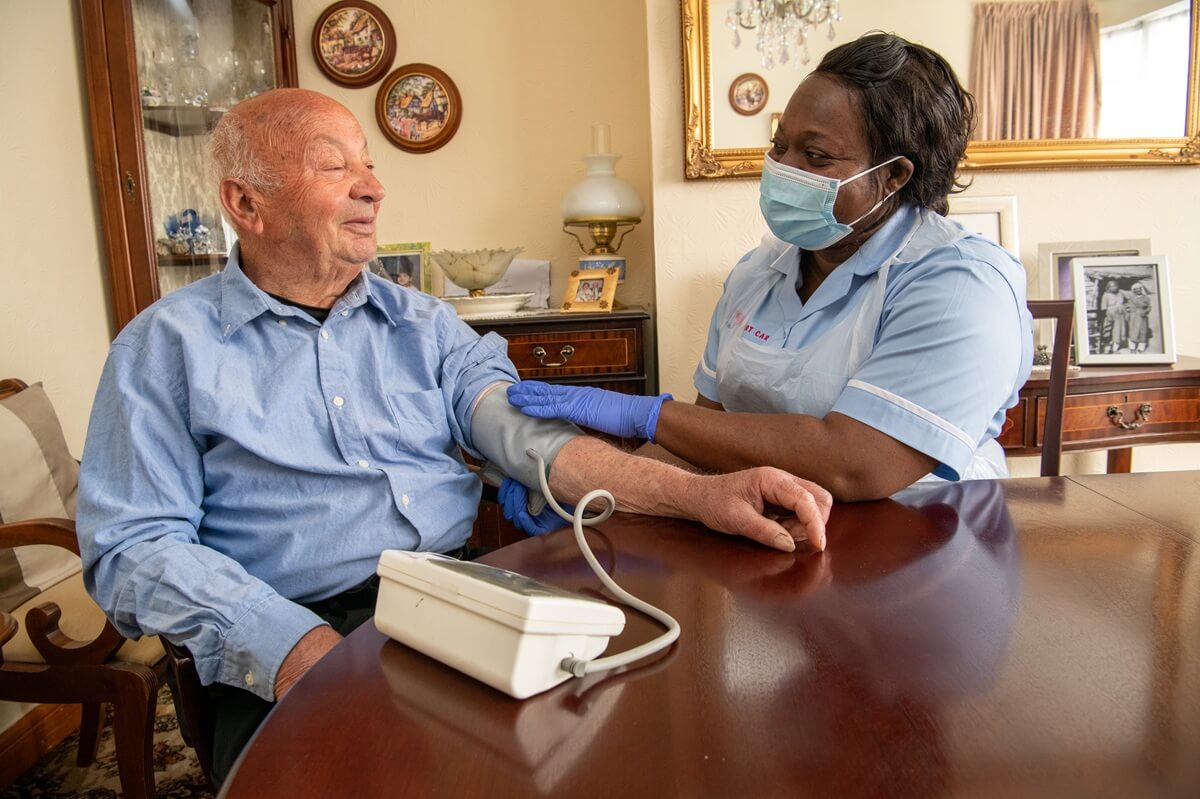
If your loved one receives support from a professional carer, they can play a crucial role in spotting the early signs of a UTI. At Comfort Care At Home, our care professionals are trained to recognise the subtle changes that may indicate a UTI in older adults. They can monitor your loved one’s behaviour, hydration, and toileting habits, and alert you or their GP if they notice anything concerning.
Having a carer involved in your loved one’s daily routine can provide an extra layer of vigilance and peace of mind. If you’d like to discuss how our home care services can support your loved one, get in touch with our team.
Frequently Asked Questions
Why do UTIs cause confusion in the elderly?
UTIs can cause inflammation and infection in the body, which may affect the brain and lead to confusion, delirium, or behavioural changes. This is more common in older adults due to age-related changes in the immune system and brain function.
Can a UTI make dementia worse?
Yes, a UTI can temporarily worsen the symptoms of dementia, leading to increased confusion, agitation, or withdrawal. Treating the UTI can often improve these symptoms. For more information on dementia, visit our dementia care page.
How are UTIs treated in the elderly?
UTIs are typically treated with a course of antibiotics. It’s important to complete the full course, even if symptoms improve, to ensure the infection is fully cleared. In some cases, hospital treatment may be required if the infection is severe or complications arise.
If you’re concerned about your loved one’s health or would like advice on recognising the signs of a UTI, contact us for support. Our team is here to help you navigate these challenges with confidence and care.
