


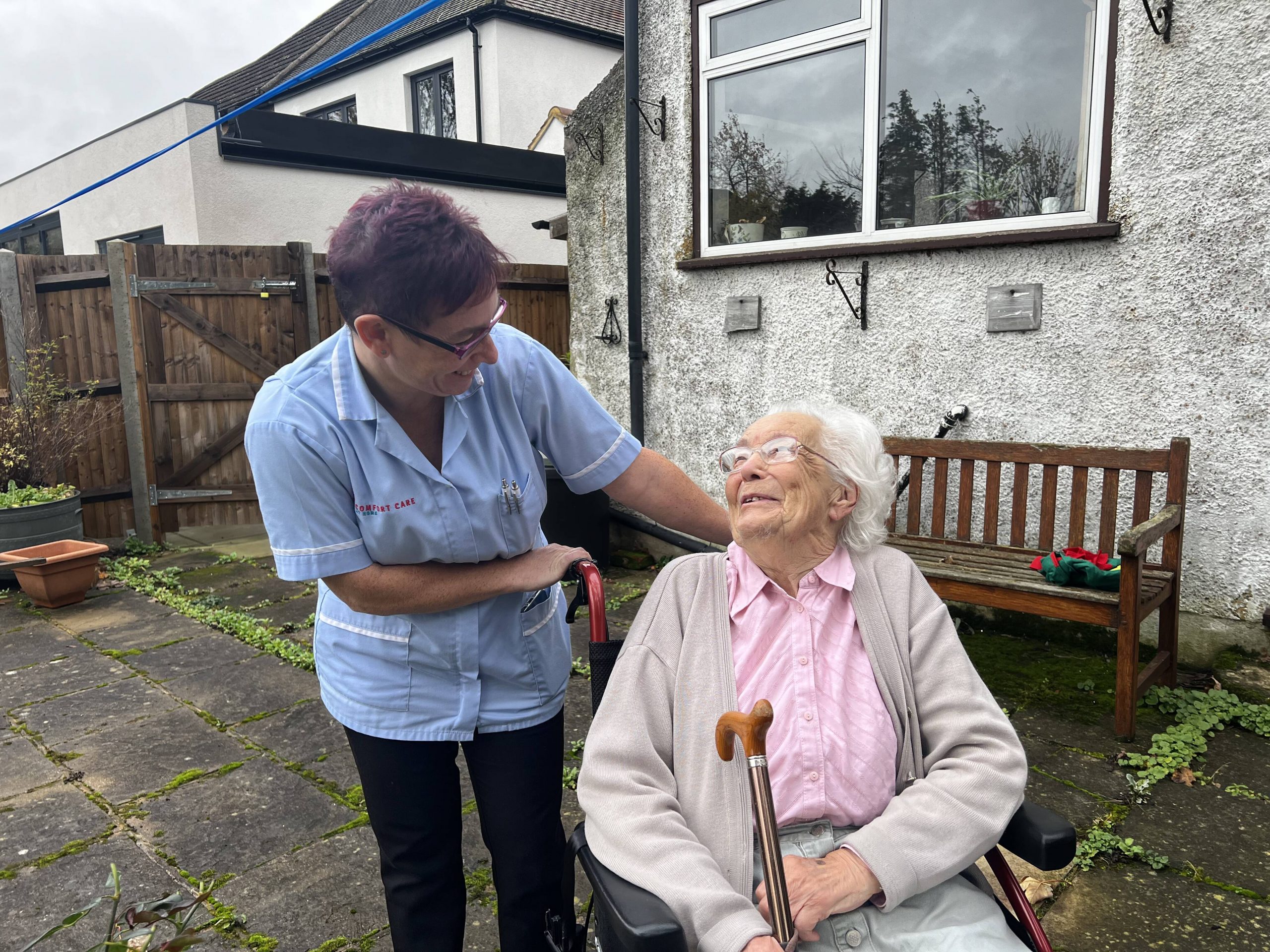
Diabetes is a growing health concern for older adults in the UK, with more than 5.8 million people now living with the condition – many of whom are women over 65. As we age, our bodies change, and so does the way diabetes presents itself. For older women, hormonal shifts, lifestyle factors and other health conditions can make diabetes harder to spot and more challenging to manage.
However, recognising the symptoms early can help prevent serious complications and ensure the individual living with the condition stays healthy and independent for as long as possible.
Why Diabetes in Elderly Women Is Different
Hormonal Changes and Diabetes
Menopause and the years leading up to it (perimenopause) bring significant hormonal changes. As oestrogen and progesterone levels drop, many women find their blood sugar levels become more unpredictable. This is because these hormones play a key role in how our bodies respond to insulin, the hormone that helps control blood sugar.
- Blood sugar fluctuations: After menopause, hormonal changes can cause blood sugar to spike or drop unexpectedly, making diabetes harder to manage.
- Increased insulin resistance: Lower oestrogen levels can make the body less responsive to insulin, raising the risk of type 2 diabetes.
- Weight gain: Hormonal shifts can lead to weight gain, especially around the waist, which is linked to higher insulin resistance.
For women already living with diabetes, these changes can mean needing to adjust medication or monitor blood sugar more closely.
Unique Symptoms in Older Women
Older women may experience typical diabetes symptoms like thirst, frequent urination and fatigue. There are also additional symptoms they may experience that are not as commonly attributed to diabetes.
- Frequent infections: Women with diabetes are more prone to bladder and yeast infections due to high blood sugar levels.
- Slow-healing wounds: High blood sugar can affect circulation, meaning cuts, bruises or sores – especially on the feet – can take longer to heal.
- Urinary incontinence: This is more common in older women with diabetes, often due to nerve damage or repeated infections.
- Mood changes and depression: Diabetes can increase the risk of depression, which may be overlooked in older women with complex health needs.
Common Complications and Risks
Older women with diabetes face a higher risk of certain complications.
- Heart disease and stroke: Diabetes accelerates the hardening and narrowing of arteries, increasing the risk of cardiovascular problems.
- Falls and fractures: Diabetic women are twice as likely to become disabled and have a higher risk of falls and hip fractures compared to non-diabetic women.
- Cognitive decline: There’s a strong link between diabetes and an increased risk of dementia and memory problems.
- Vision loss: Diabetic retinopathy and cataracts are more common in older adults with diabetes.
These risks highlight why managing diabetes effectively is so important for maintaining quality of life.
Supporting an Elderly Woman with Diabetes
Recognising Early Warning Signs
If you’re caring for an older woman, these symptoms may be an early indication that they could be developing diabetes:
- Unexplained weight loss or gain
- Increased thirst or hunger
- Blurred vision
- Fatigue or irritability
- Frequent infections or slow-healing wounds
If you’re worried about any of these symptoms, encourage your loved one to speak to their GP or healthcare professional.
Healthy Routines at Home
Whether your loved one is already living with diabetes, or you’re concerned they’re developing the condition, encouraging healthy habits at home can make a big difference.
- Balanced diet: Focus on regular meals with plenty of vegetables, lean proteins and whole grains. Avoid overly restrictive diets, especially for frail older adults.
- Gentle exercise: Activities like walking, swimming or chair exercises help improve insulin sensitivity and mobility.
- Medication management: Ensure medications are taken as prescribed and monitor for side effects, such as low blood sugar (hypoglycemia).
- Regular check-ups: Annual eye, foot and kidney screenings are essential for catching problems early.
The Role of Professional Home Care
Managing your loved one’s diabetes at home can be challenging, especially if their mobility or memory is affected. Here are some ways that professional diabetes care can support your loved one in staying on top of their condition, in the comfort of their own home.
- Personalised support: Trained carers can help with meal preparation, medication reminders and monitoring blood sugar levels.
- Safety and reassurance: Regular visits ensure your loved one is safe and well, reducing the risk of falls or missed medications.
- Companionship: Emotional support is just as important as physical care, helping to reduce stress and improve overall wellbeing.
At Comfort Care At Home, our experienced team understands the unique needs of older women living with diabetes. We work closely with families and healthcare professionals to create a care plan that promotes independence and peace of mind.
Contact us today to find out how we can support you and your loved one.
When to Seek Medical Advice
It’s important to seek help if you notice:
- Sudden changes in weight, appetite or energy levels
- Signs of infection, such as fever, redness or swelling
- Confusion, dizziness or difficulty speaking
- Persistent high or low blood sugar readings
Early intervention can prevent complications and help your loved one stay healthy and active.
FAQs
Can diabetes symptoms be mistaken for normal ageing?
Yes, symptoms like fatigue, frequent urination or blurred vision are often dismissed as part of getting older. If you’re concerned, always check with a healthcare professional.
How does menopause affect diabetes?
Menopause can make blood sugar levels less predictable due to hormonal changes. Regular monitoring and medication adjustments may be needed.
What should I do if my loved one refuses to eat or take medication?
Gentle encouragement and understanding their concerns can help. A professional carer can also provide support and ensure medications are taken safely.
How can home care help with diabetes management?
Home care provides practical support with meals, medication and monitoring, as well as companionship and reassurance. Learn more about our personalised care services.
